Not so long ago, before the launch of ChatGPT, if you wanted to upskill your team or learn a new subject, your options were clear: you booked a classroom course, read industry literature, or searched the internet. These methods are tried and true, but they pale in comparison to the speed and personalization of modern technological tools.
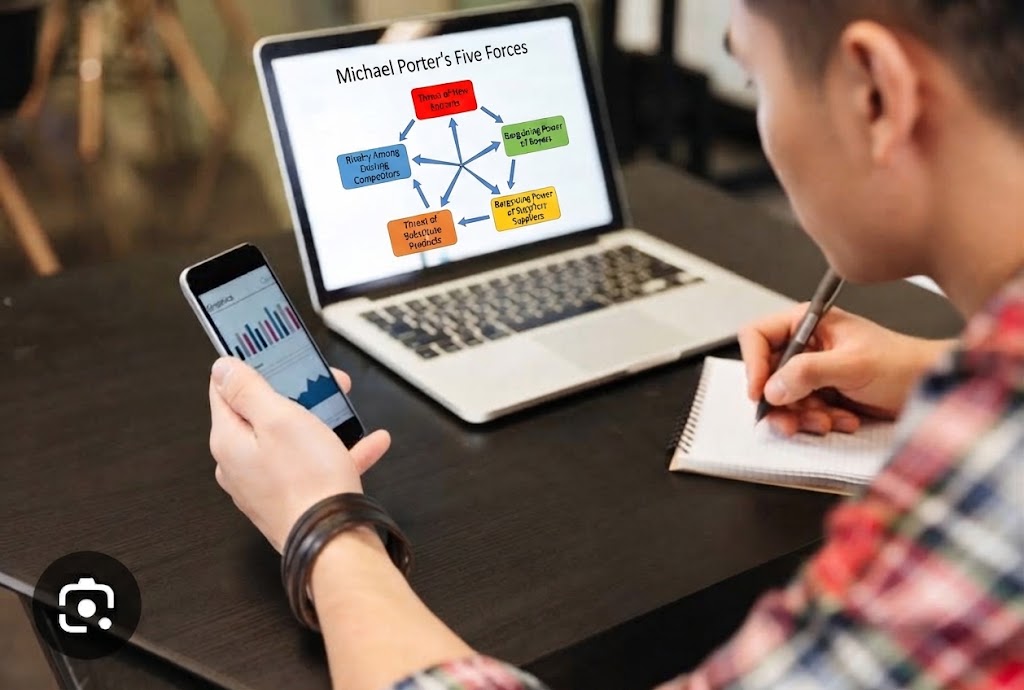
Today, your workforce can leverage AI for almost every aspect of the professional development journey. A standard AI account can instantly assess an employee’s baseline knowledge, curate relevant content tailored specifically to their gaps, organize it into bite-sized modules, and present it in their preferred format. It can schedule regular learning reminders, monitor progress in real-time, and run a final assessment to ensure the material has been internalized. Beyond technical skills, AI can profile behavioral traits, highlight blind spots, and offer data-driven recommendations to refine communication styles.
For corporate leadership, this sparks an urgent question: If employees can learn everything independently with AI, what is the role of structured training?
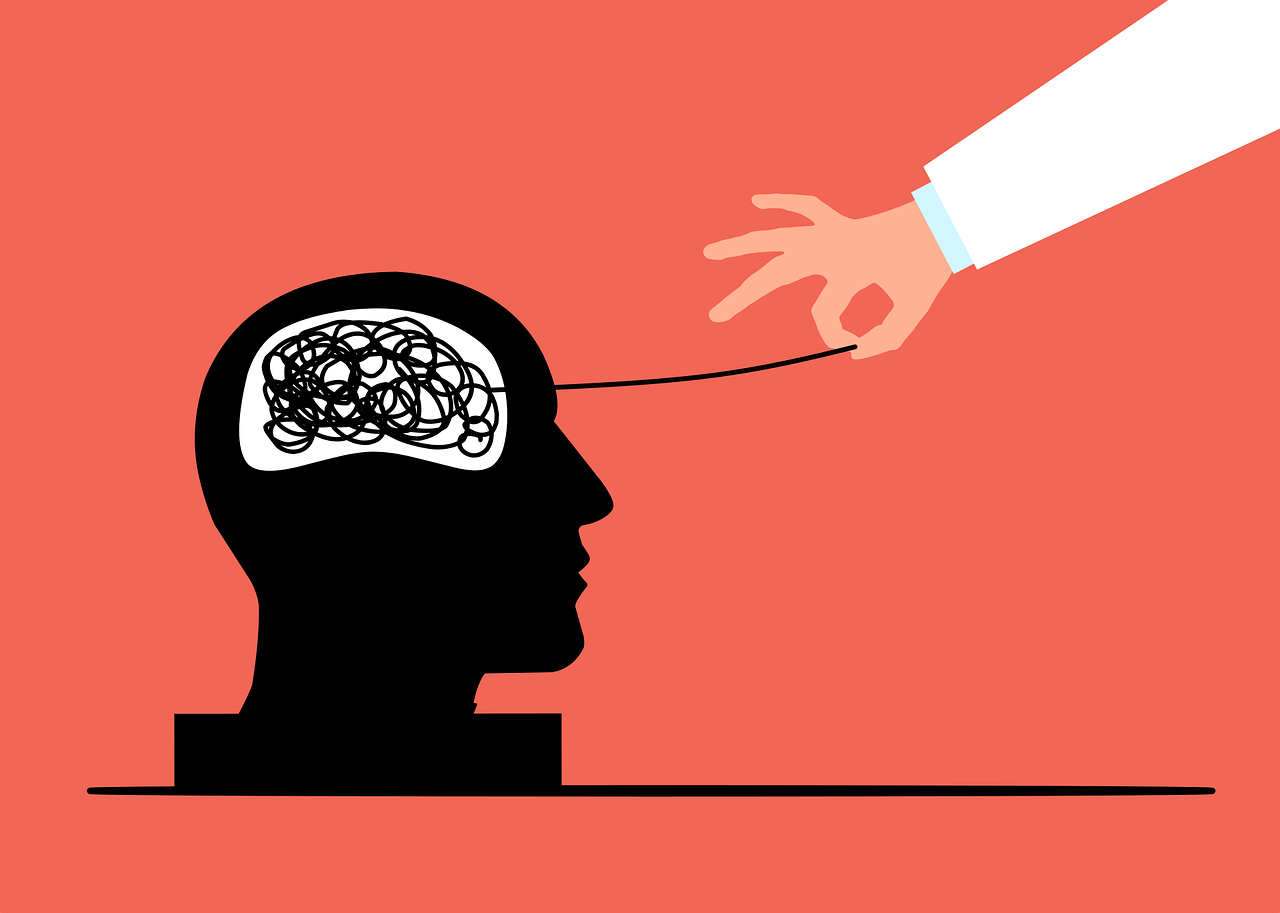
To lean entirely into unguided AI adoption is risky. While employees save time and absorb customized content faster, uncoordinated AI use introduces massive enterprise blind spots: data leakage, inconsistent skill application, and a lack of cross-functional alignment. Technology provides the raw knowledge, but it cannot (yet) build a cohesive company culture or align a leadership team around shared organizational goals.
On the other hand, rather than fighting this “AI Tsunami” or clinging to the tired argument that traditional trainers provide an intangible “touch” that technology cannot replicate, professional development must evolve. The best thing we can do as industry veterans is help organizations transition intelligently into this new hybrid mode of learning.
For progressive companies aiming to scale employee upskilling efficiently, the future does not belong to those who replace humans with AI, nor to those who ban AI from the classroom. It belongs to organizations that integrate AI-driven self-discovery with high-impact, human-led facilitation—turning isolated tech tools into a unified competitive advantage.
Authored by Tan Teck Beng, edited by Gemini
Image generated by Gemini